The ARID Network
The ARID network brings together researchers working on water resources in semi-arid areas and their uses, particularly in agriculture. Its members come from various countries, represent a range of scientific disciplines and have diverse professional backgrounds. ARID aims to facilitate the exchange of experiences and foster mutual enrichment, with the aim of providing society with more appropriate solutions, thereby enabling better water resource management.
Objectives
Why focus on arid, semi-arid and Mediterranean regions?
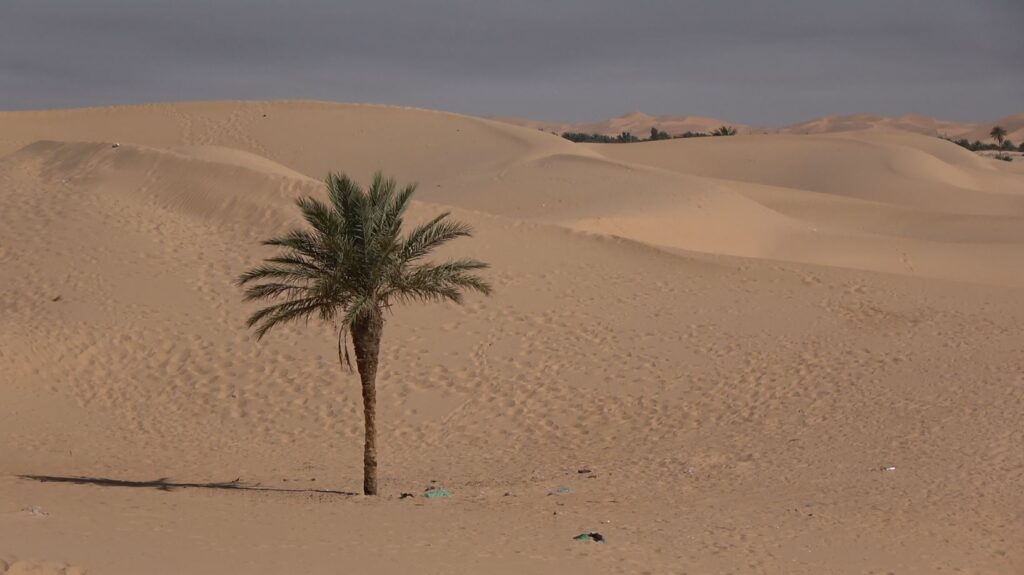
They are found on every continent and today account for around a third of our planet’s surface area. And despite the difficulties of daily life in these regions, people have learned to adapt to them and, as a result, have developed very different strategies over thousands of years.
This explains why today around a quarter of humanity lives in these regions considered to be at a disadvantage. Aridity is, therefore, a major constraint, but not a curse. Yet, even with technical progress, the severity and impact of major droughts should not be underestimated, as in 1877–79 in north-eastern Brazil or in the 1970s and 1980s in the Sahel.
The members of ARID
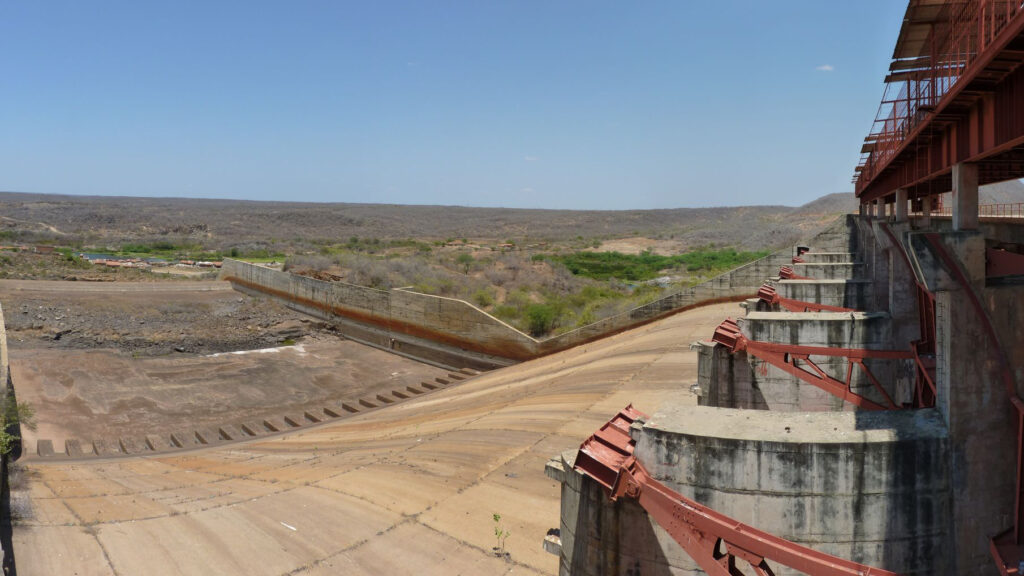
Researchers working on water resources in semi-arid areas are often scattered and isolated, both geographically and thematically. They have accumulated a wide range of experiences, due to the diversity of environmental, human and economic conditions they encounter.
The ARID network was established to enable them to compare their experiences and diverse scientific approaches. This exchange of knowledge across regions and continents will enrich their thinking and enable them to provide more nuanced answers to the questions posed by society and water managers in their respective countries.
How we contribute to research
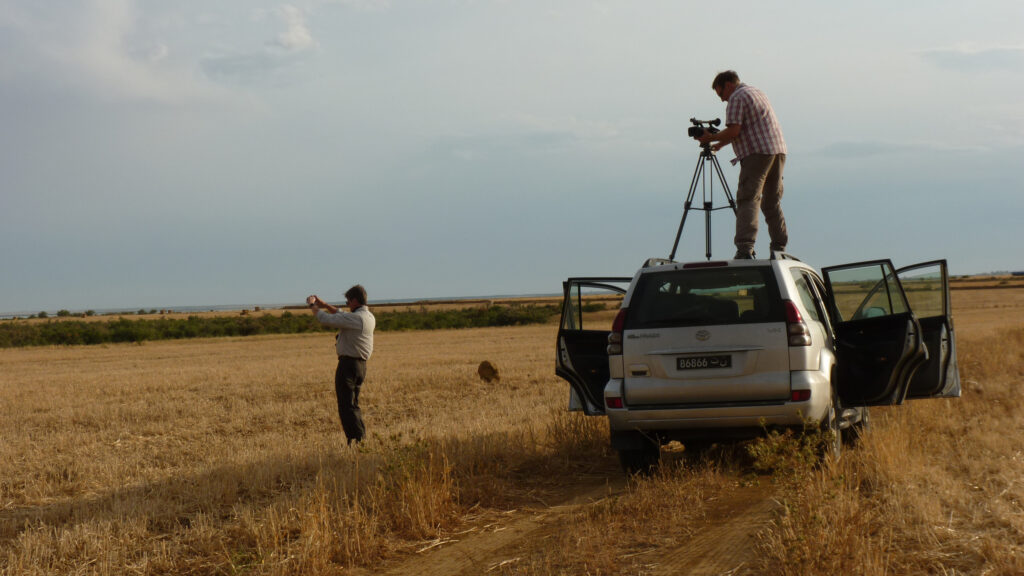
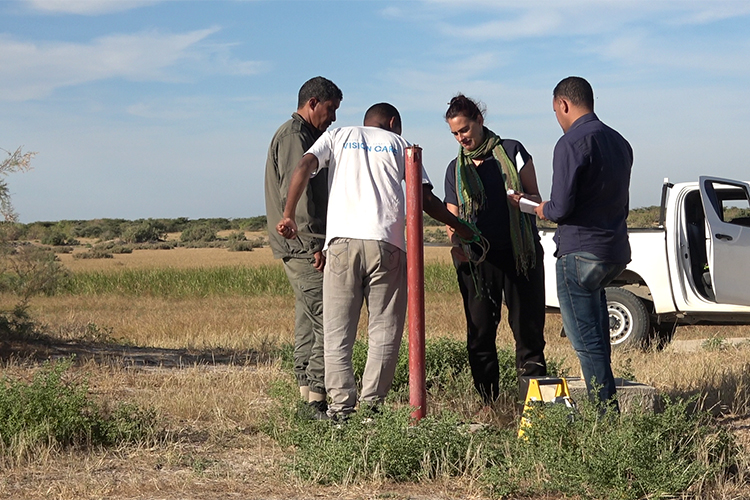
ARID does not have the resources to fund research programmes, but it contributes to research by raising new questions and offering a range of critical perspectives on a given issue or situation, thanks in particular to external insights from other continents or disciplines. Another important contribution will be the improved circulation of information amongst ARID members, which will enable them to participate jointly in research initiatives launched elsewhere.
In addition to its core group of founders, ARID is in contact with many other researchers from other countries and institutions, and their skills and experience are also valued.
How we develop networking activities
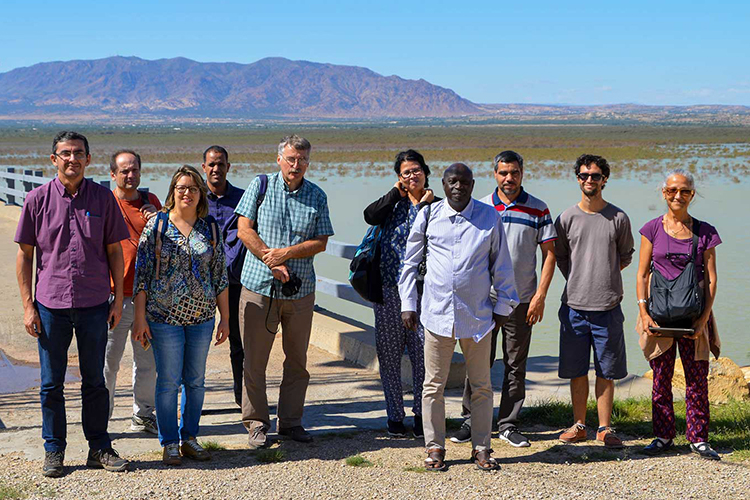
ARID’s main objective is to promote exchanges between researchers, lecturers and students who are geographically distant from one another, but ARID is not limited to the academic world. As the reality on the ground involves managers and many other stakeholders and water users, our discussions must be broadly inclusive. That is why anyone wishing to take part in our exchanges and enrich them with their experiences is welcome.
How we share our insights
Firstly, we want to reach the younger generations who will be involved in water resource management in semi-arid regions over the coming decades.
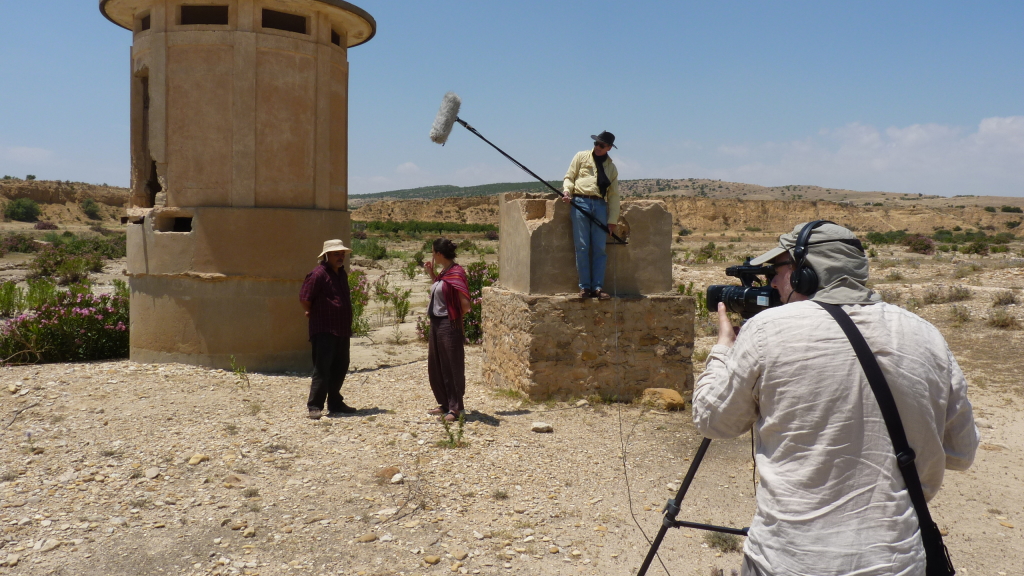
That is why we are going to develop a set of digital resources available free of charge, to help them discover the complexity of the links between environmental, human and technical factors and the diversity of the developments observed. But these digital resources are not restricted to the academic world: they may be of broad interest to professionals wishing to look beyond their day-to-day work, as well as to the general public.
News
Find out what is currently going on in the ARID NETWORK.
-
workshop MONITORING
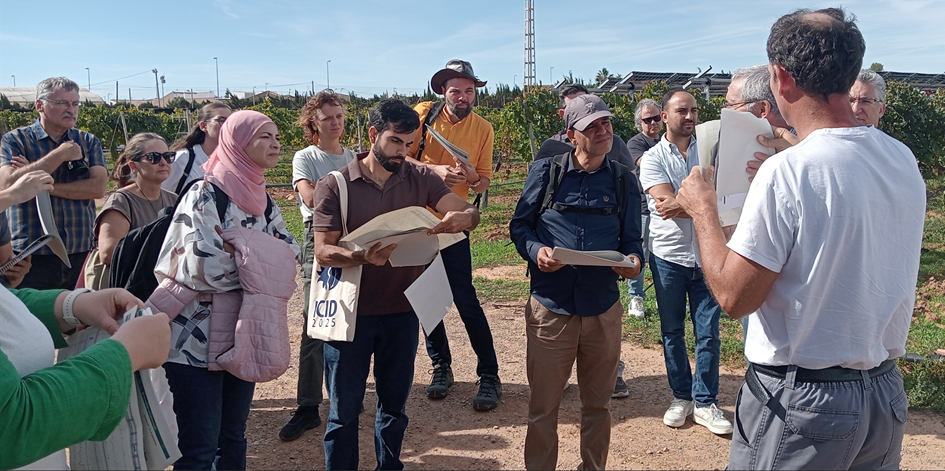
Monitoring Theme – The themes addressed at the 2025 Murcia workshop focused on “Quantitative and Qualitative Water Monitoring” and included applications and technological innovations used to monitor changes (water sources, human activities,…
-
workshop DROUGHT
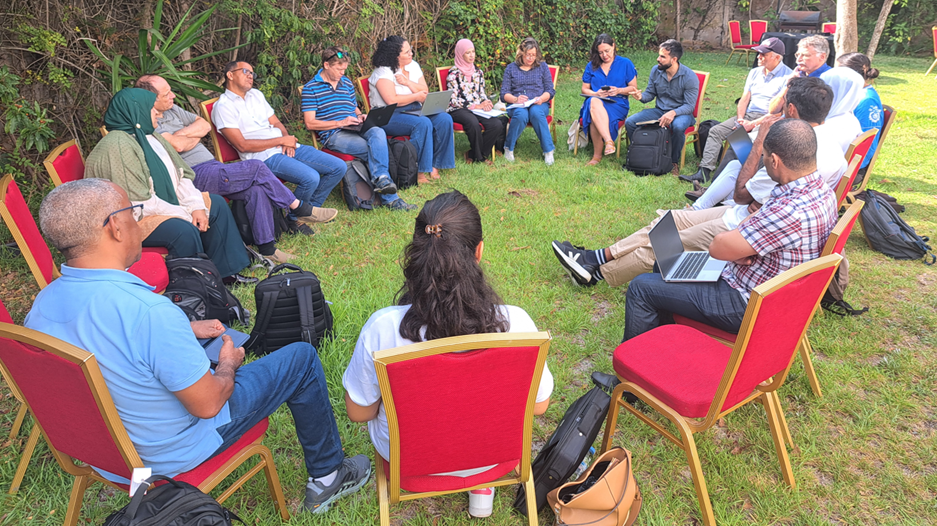
In 2024, an interdisciplinary ARID workshop on drought was organized in Rabat. Over three days, 21 participants from ARID’s Social Sciences and Humanities (SSH) and Life and Earth Sciences (LES) departments took…


Explore the ARID Sites
Some of the areas in which ARID is active…
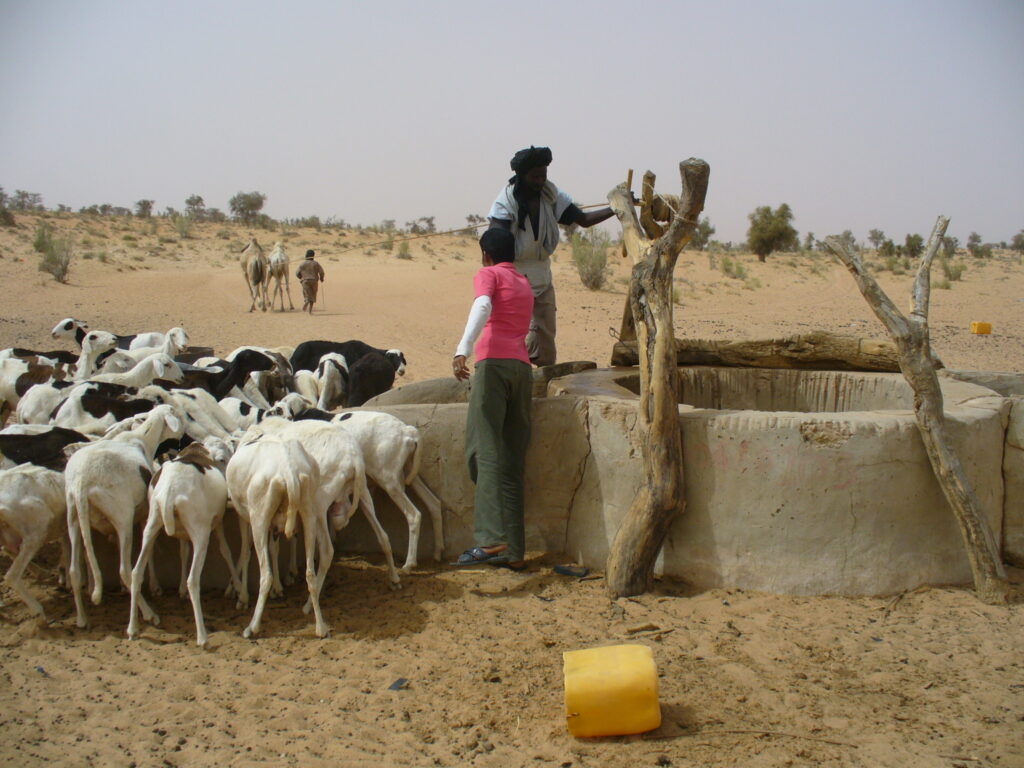
Mauritania
A Few Words
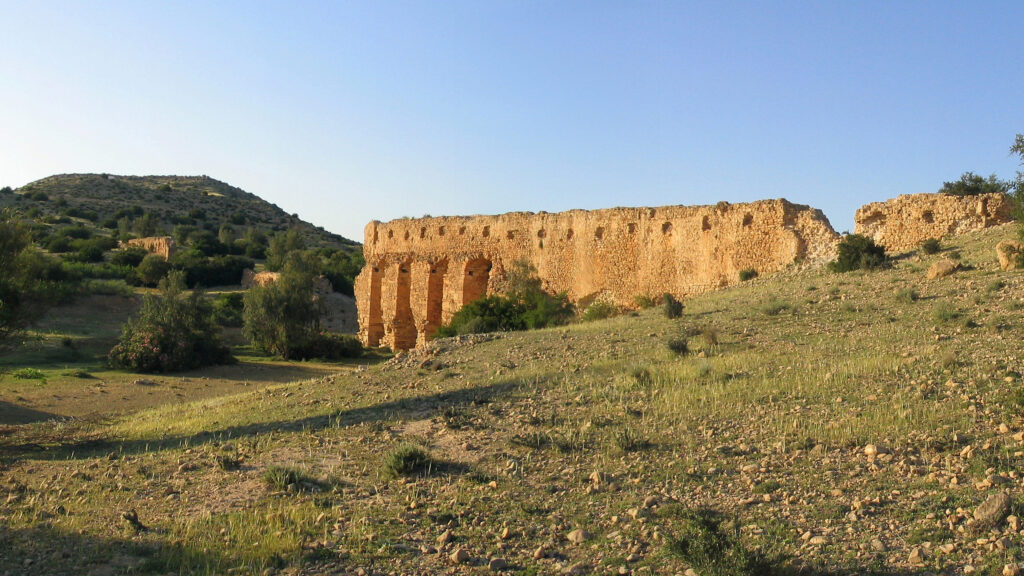
Tunisia
A Few Words
ARID Working Groups
Definition and perception of drought
A few introductory words
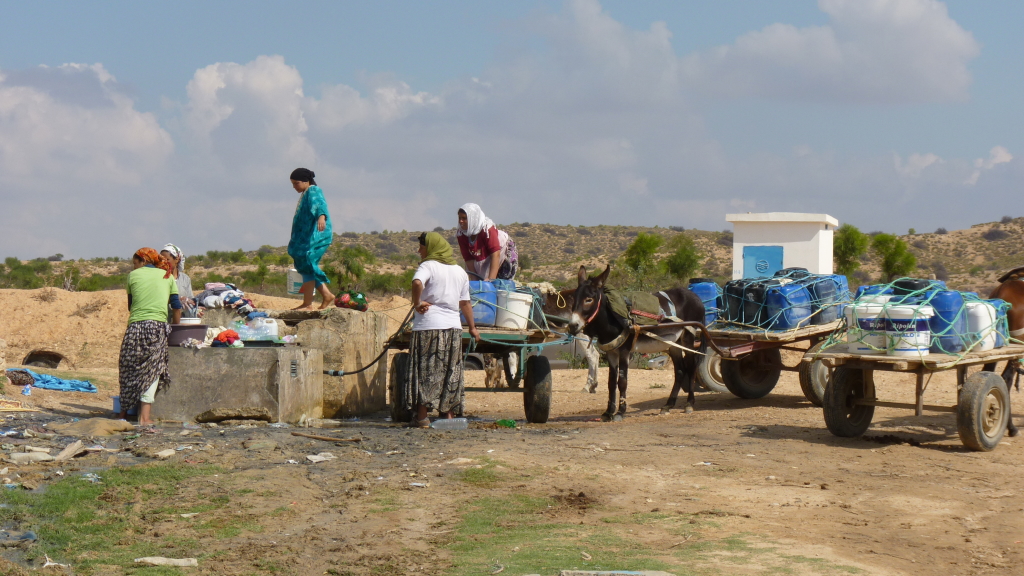
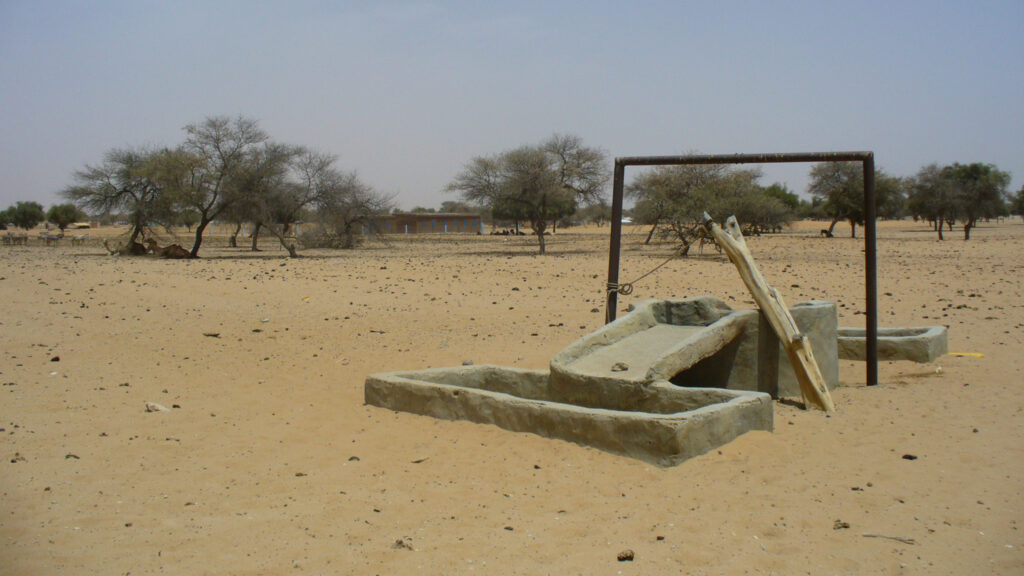
Climate variability and extremes: drought
Climate variability and extremes: floods
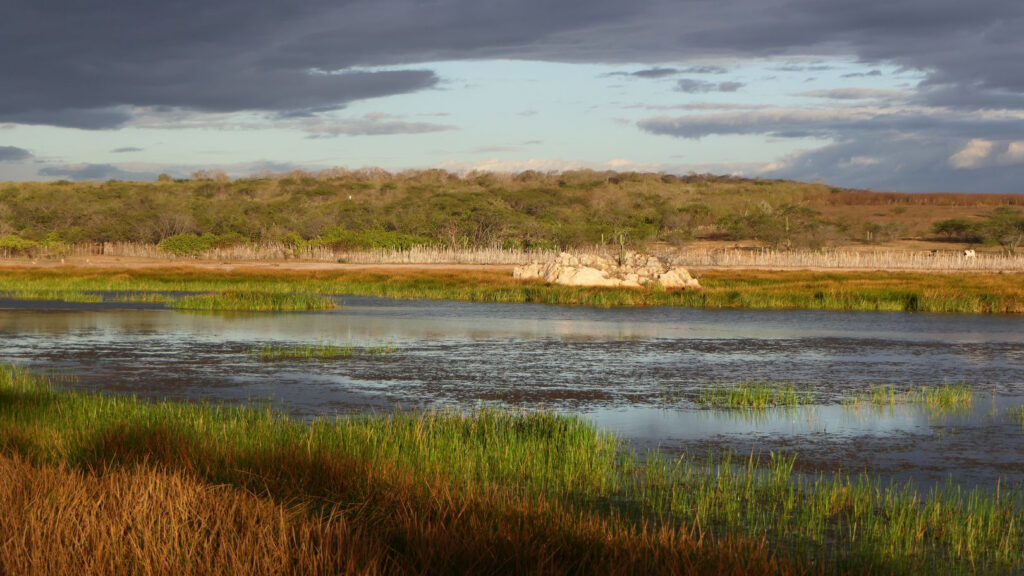
Demographic changes during drought
Resilience during drought
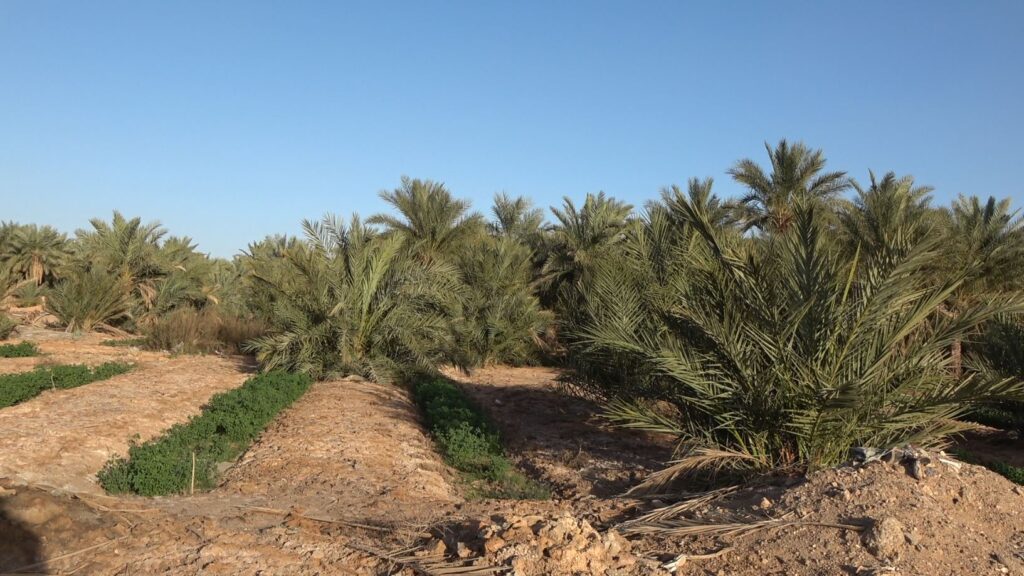
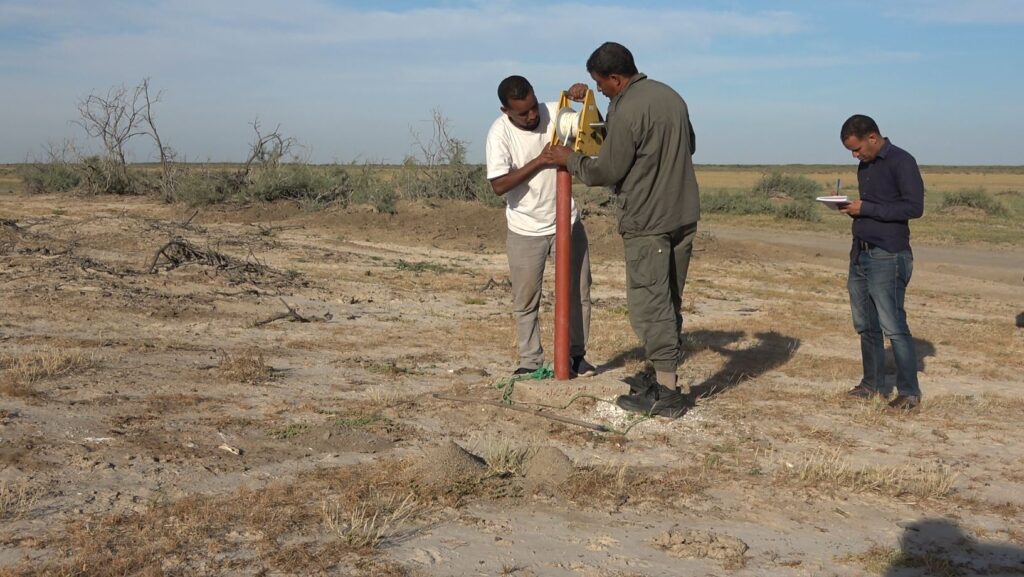
Collaborative monitoring